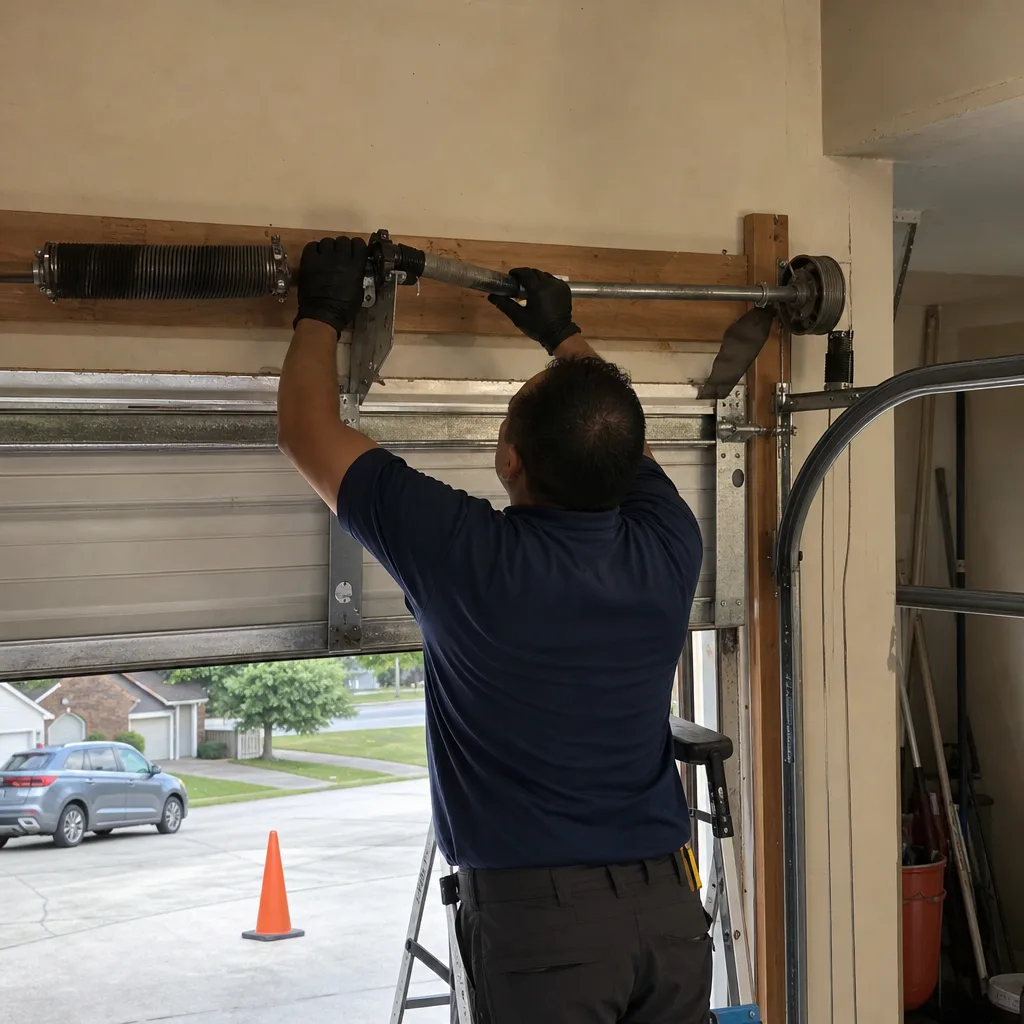
Last updated November 21, 2026
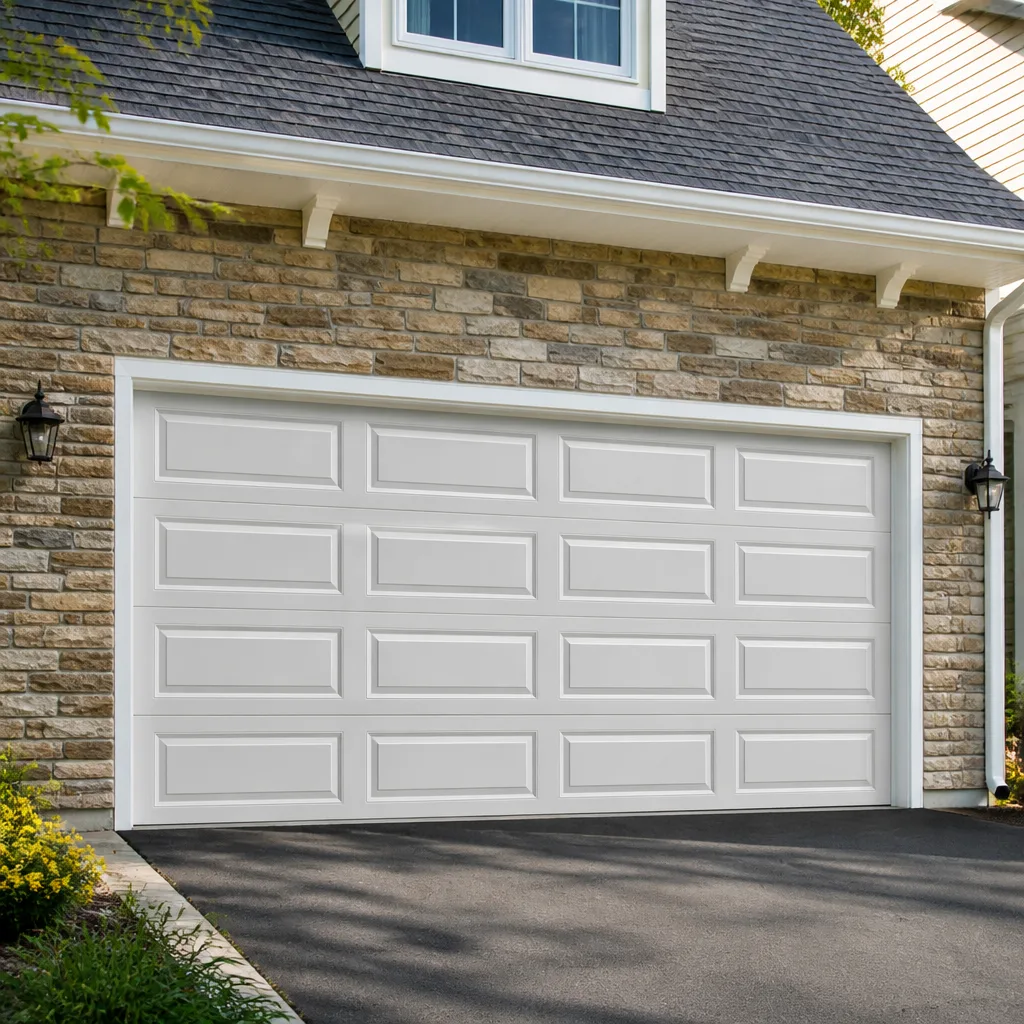 Raised-panel steel
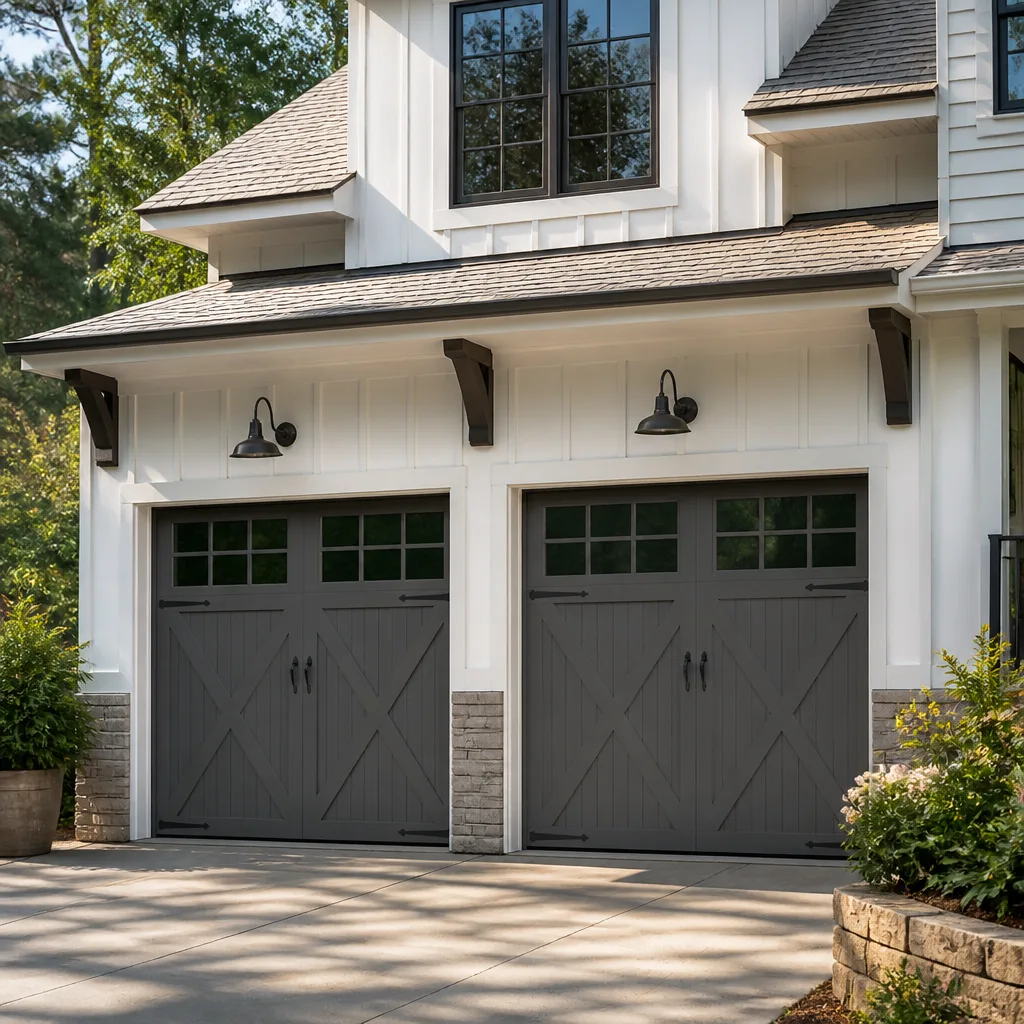 Carriage house
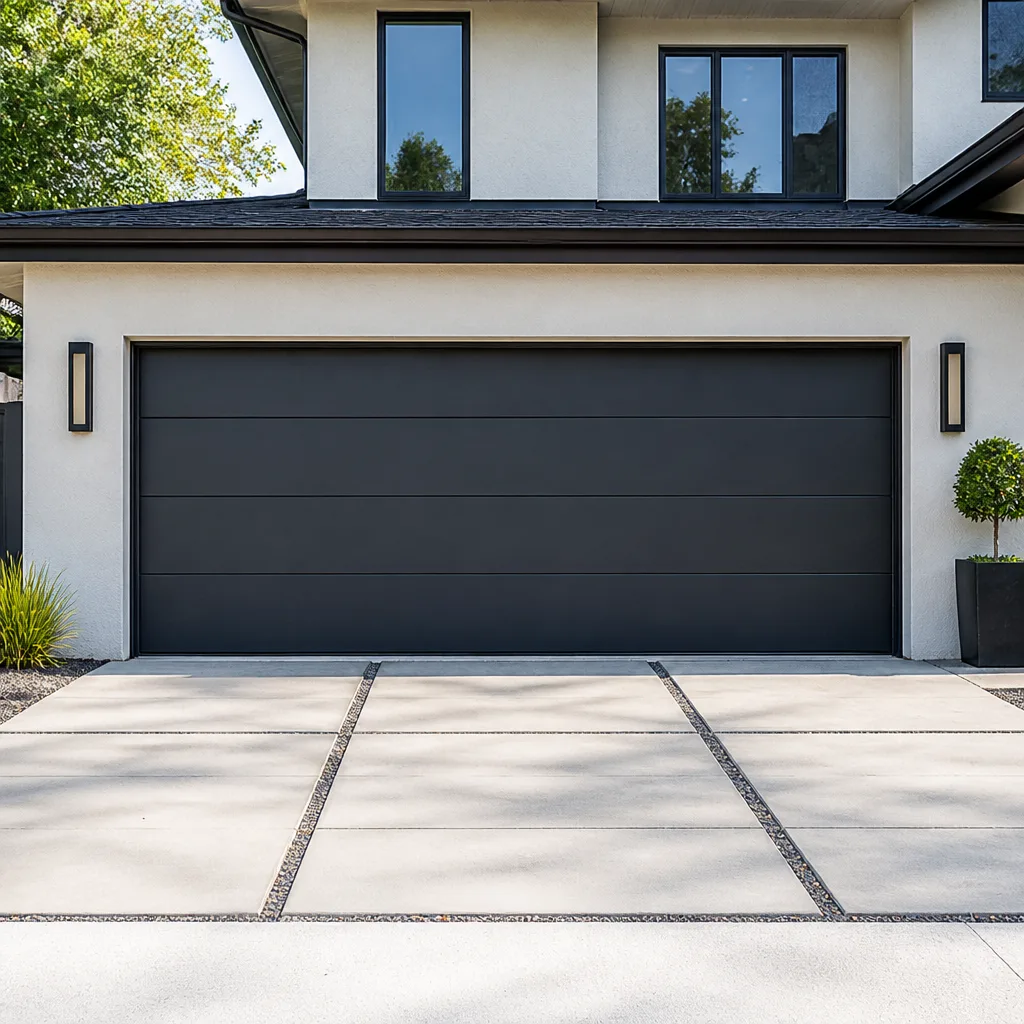 Modern flush
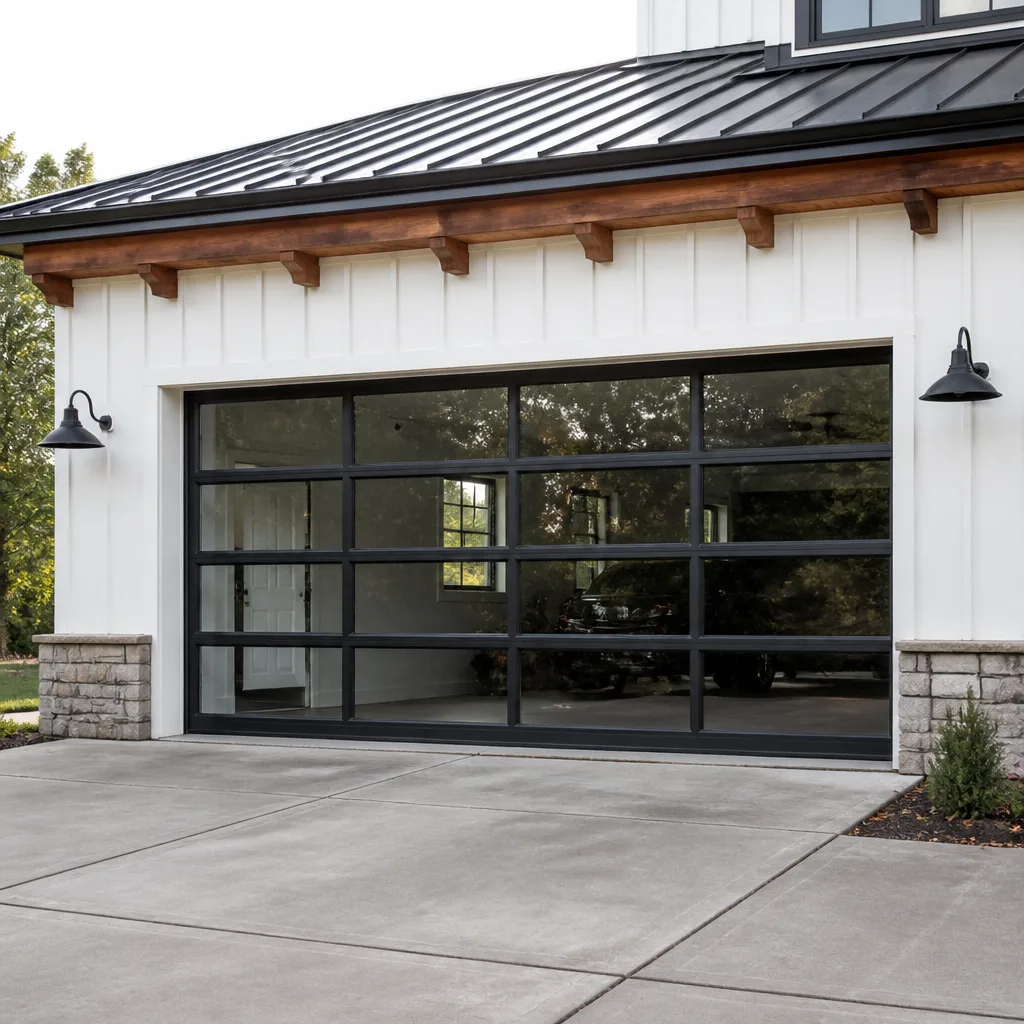 Full-view glass
 LiftMaster openers
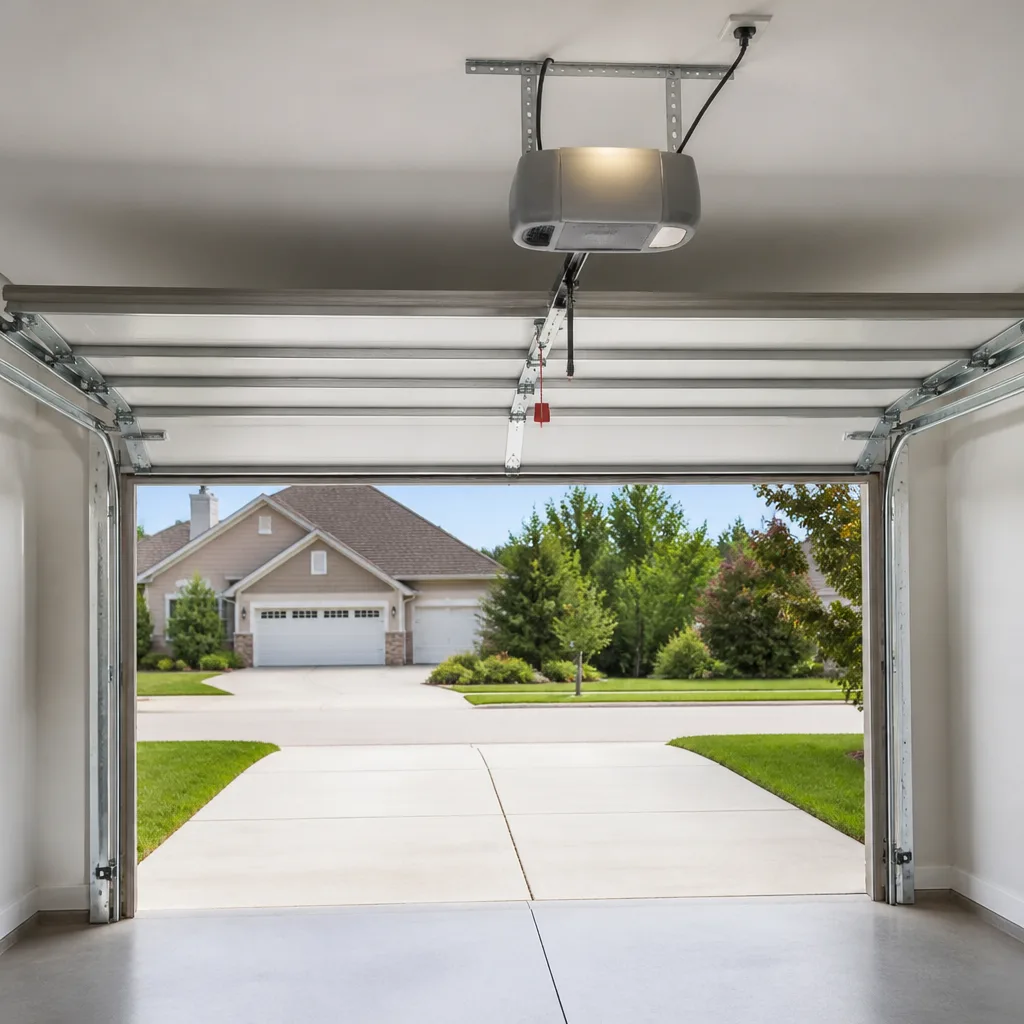 Chamberlain openers
Full 25-point door and opener safety check with every visit - springs, cables, rollers, tracks, and your LiftMaster or Chamberlain opener included
You get a price before we start. It does not change when the pro arrives.
Get your free estimateSeasonal Garage Door Care for Atascocita: Year-Round Homeowner’s Guide
Most homeowners think about their garage door twice: when it opens and when it breaks. In Atascocita, that’s a mistake, because this isn’t a place with four equal seasons. It’s a long, punishing summer, a short and shock-cold winter, and two storm-heavy shoulder periods, and each one puts stress on a different part of the system. The UV that bakes your weatherstripping in August has nothing to do with the cold snap that snaps a spring in January. Your annual maintenance should reflect that. This guide breaks the garage door system down into what actually fails in each local season, and gives you a checklist you can use all year.
Quick Answer
Seasonal garage door care in Atascocita means focusing on the component each local season stresses most: in summer, UV damage to weatherstripping and heat stress on your opener; before the May and September storm windows, secure track hardware and cable drum set screws; during cold snaps, never force a door open below 35°F; after heavy rain, check for water intrusion along the floor seal; and time your spring-and-cable inspection to temperature cycling rather than a calendar month. A short inspection each season prevents the failures we get called out for most.
Styles & brands we work with
- Raised-panel steel
- Carriage house
- Modern flush
- Full-view glass
- LiftMaster openers
- Chamberlain openers
Table of Contents
- Why Standard Maintenance Advice Doesn’t Fit Atascocita
- Summer: UV, Heat, and the 120°F Garage
- Pre-Storm Season: The May and September Checklist
- Cold Snap Protocol: Below 35°F
- Post-Rain Inspection: Flat Lots and Floor Seals
- When to Inspect Springs and Cables
- A Simple Year-Round Schedule
- Brand-Specific Notes for Atascocita Homes
Why Standard Maintenance Advice Doesn’t Fit Atascocita
The generic garage door advice you find online assumes four seasons spread evenly through the year. Atascocita doesn’t work that way. Our summer is long and relentless, our winter arrives fast and briefly, and the transitions between them bring storms. That pattern means the failures we see here follow a different calendar than the ones a house in the upper Midwest might see.
The Atascocita climate matters to the door itself. A garage that faces west gets afternoon sun that heats the metal panels and the weatherstripping to temperatures well above the ambient reading. When the temperature drops from 75°F to 28°F in about 48 hours, which happens here more than homeowners expect during a winter front, the metal contracts quickly. That contraction is the moment a torsion spring under load is most likely to snap.
It also matters where the water goes. Many Atascocita subdivisions sit on flat lots, and when a heavy rain comes through, water pools instead of running off. It finds the bottom of your garage door first.
Here’s what that means for your maintenance:
- Summer puts stress on weatherstripping, seals, and the opener motor.
- Storm season puts stress on track hardware, brackets, and set screws.
- Cold snaps put stress on springs and cables.
- Rain events put stress on the floor seal and bottom panel.
The rest of this guide assigns real tasks to each of those windows. If you’d rather have a trained set of eyes on the whole system once a year, our Atascocita Garage Door Repair Pros handle that inspection and can tell you what’s actually near the end of its life.
Summer: UV, Heat, and the 120°F Garage
An un-air-conditioned garage in Atascocita can top 120°F on a hot afternoon. That heat does two things: it attacks the rubber and vinyl parts of your door, and it puts the opener motor under load it wasn’t designed to carry for long stretches.
Watch the weatherstripping and seals
Weatherstripping along the sides and top of the door, and the floor seal at the bottom, is the weakest link in the summer. UV exposure dries it out, then the heat makes it brittle. You’ll see cracking, a gummy texture, or the rubber pulling away from the door edge. When it goes, water and pests get in, and the door starts rattling against the frame. On a Clopay or Amarr door with a vinyl perimeter seal, that seal should still flex if you press it with a thumb. If it crumbles or feels like hard plastic, it’s done.
Give the opener a break
Opener motors generate heat while running, and when the garage is already above 120°F, that heat has nowhere to go. A motor that’s working harder than it should is usually a sign of a door that’s out of balance, not a failing opener. The safety sensors can also misbehave when heat warps the plastic housing.
- Smell or listen: a hot motor smells warmer than usual, and a struggling opener makes a grinding or humming sound at the start of its travel.
- Check the safety sensors: they should both glow steadily. Flickering or dim sensors on a hot day often mean a connection issue.
- Keep the manual release cable accessible so you can operate the door by hand if the motor stops.
If your LiftMaster or Chamberlain opener is paired with a myQ system, the app will usually report a motor overload before you notice it. A dead opener in July is one of our most common summer calls, and it’s one reason we treat garage door opener repair as a same-day service during the hot months.
Check the balance before the heat peaks
Disconnect the opener (pull the manual release), then lift the door halfway by hand and let go. A balanced door stays where you put it. A door that drops on its own is putting extra load on the motor, and that load gets much worse in the heat.
Pre-Storm Season: The May and September Checklist
Atascocita has two storm-heavy windows, roughly May and September. A high-wind event puts lateral load on a garage door that the rest of the year doesn’t. The panels themselves can handle a lot, but the hardware holding them in place has to be tight, and a loose bracket or a backed-out set screw is where the failure starts.
The most overlooked item is the cable drum set screws. The drum is the spool at each end of the torsion shaft that the cable winds around. Two set screws hold it in position. When those loosen, the drum can slip, the cable goes slack, and the door can drop out of alignment. It’s a small part with a big consequence.
Run this checklist before the storm windows:
- Tighten the track hardware. Put a hand on each track and the brackets at the top and bottom. Any wobble or rattle means a loose bolt.
- Inspect the cable drum set screws. Look at the drum at each end of the torsion shaft and confirm the set screws are snug. Don’t loosen them to check.
- Look for missing hinge screws or fasteners. A panel that’s missing a hinge screw can flex more in wind.
- Check the center bracket. The torsion spring is anchored to a bracket in the middle of the door; confirm it’s tight and not bent.
- Confirm the door closes fully. A door that stops short leaves a gap at the floor, which lets wind and water in.
If anything looks bent, cracked, or clearly loose, get it looked at before the storms. A garage door repair visit before a storm is a lot cheaper than one after. If you’re not sure the door is storm-ready, call us and we’ll walk the hardware with you.
Cold Snap Protocol: Below 35°F
The cold is short here, but it’s sharp, and it’s the season when the most expensive failures happen. When the temperature drops from 75°F to 28°F in about two days, the metal in your door and springs contracts quickly. Torsion springs are under constant tension. That sudden contraction is the extra strain that pushes a fatigued spring over the edge.
Never force the door by hand below 35°F
This is the single most important rule in this guide. In cold weather, a door can feel stiff or stuck. If you grab the handle and yank it, you’re pulling against spring tension and a frozen or stiff track at the same time. That’s how cables jump off drums and how doors come off their tracks. If the door won’t move, stop and call.
What to do instead:
- Try the opener first, with the door open about a foot and stopped, so you can judge whether the travel is smooth.
- If it sounds strained or grinds, leave it and call for a service visit.
- Look at the springs and cables before doing anything else. A visibly separated spring, or a cable lying slack under the door, means the door should stay down.
- Don’t prop the door open to solve a cold-day problem; the weight is still there, and it isn’t safe.
What cold does to the opener
Some openers have trouble in a cold snap because the lubricant in the rail or the screw drive thickens. A Genie or Craftsman unit that runs quietly at 80°F can sound laborious at 30°F. That’s usually a sign the door’s balance needs checking, not a sign you need a new opener.
If a spring has already snapped, don’t touch it. Springs store enormous tension, and a broken one is still holding energy. Call a trained technician. We handle garage door spring repair as one of our core services, and our technicians have up to 9 years of experience with the failure modes cold snaps cause here.
Post-Rain Inspection: Flat Lots and Floor Seals
Atascocita’s subdivisions sit on a lot of flat ground. When a heavy rain comes through, water doesn’t rush off the way it does on a sloped street. It pools against the house, and the first thing it reaches is your garage door.
Check the bottom seal after any significant rain event. The floor seal is a rubber or vinyl strip that runs along the bottom panel. If it’s cracked, torn, or curled, water gets under the door. You’ll see it as a wet strip on the garage floor, a stain on the bottom panel, or rust starting at the bottom edge.
Here’s a quick post-rain routine:
- Open the door and look at the floor under it. Any dampness along the width of the opening means the seal isn’t doing its job.
- Run a finger along the bottom seal. It should be intact and flexible. Cracks or hard spots mean replacement.
- Check the bottom panel for rust. Rust on a steel Clopay or Wayne Dalton door almost always starts at the bottom, where water sits.
- Look at the seal at the sides. Water can get in along the jamb too, not just the floor.
- Dry the area and watch for a reappearance. If water comes back without another storm, something deeper is leaking.
A floor seal replacement is small work. A rusted bottom panel is not. Catching it after the rain is the difference. If the seal is clearly spent, a technician can swap it and check the rest of the door at the same time.
When to Inspect Springs and Cables (Tied to Temperature, Not the Calendar)
Most maintenance advice says “inspect your springs once a year.” That’s not wrong, but it’s vague. The better way to time it is to temperature cycling. The failure window here is at the transition into and out of the cold snaps, so that’s when you want eyes on the springs.
Our recommendation is to have the spring-and-cable inspection done twice: once after the first real cold snap of the season, and again a few weeks after the last one. The first catches springs that took damage during the contraction. The second catches anything that loosened as the metal expanded back.
What the inspection covers
- The torsion spring coil for rust, gaps, or a stretched section.
- The cables for fraying, kinks, or slack.
- The cable drums and their set screws.
- The shaft bearings and center bracket.
- The bottom brackets and their attachment to the door.
You can inspect the springs yourself visually without touching them. Look for a clear gap in the coil, a section that’s flattened, or rust pitting. What you should never do yourself is replace a spring. Torsion and extension springs are among the most hazardous components in a home. Getting the tension right takes specific tools and training, and a mistake can seriously injure you.
If you’re seeing a gap in the coil or a door that feels heavy, call us for a look. That inspection is free, and it’s the moment to catch a spring before it fails on a cold morning.
A Simple Year-Round Schedule for Atascocita
Here’s the whole local schedule in one place. You don’t need to be precise about dates; use the weather as your trigger.
- Late spring (before May storms): Tighten track hardware, check cable drum set screws, confirm the door closes fully.
- Summer (June-August): Check weatherstripping and floor seal for UV cracking. Test the door balance. Listen to the opener for strain in heat.
- Early fall (before September storms): Repeat the storm checklist. Look at hinges and the center bracket.
- First cold snap: Visual spring check. Test the door by hand only if it moves freely. Have the spring-and-cable inspection done.
- Mid-winter: Leave the door alone on cold mornings. Don’t force it.
- After the last cold snap: Second spring-and-cable inspection. Check for anything loosened during the temperature swings.
- After any heavy rain: Check the floor seal and bottom panel for water intrusion.
If you want a checklist you can leave on the wall, print this one. If you’d rather have a trained technician run the whole thing at once, that’s what our annual visit is for. Either way, the key is to match the task to the season, not to a calendar month.
Brand-Specific Notes for Atascocita Homes
Atascocita has a lot of newer construction and replacement doors, which means a lot of Clopay, Amarr, Wayne Dalton, and Craftsman systems in the neighborhood. Each brand has quirks worth knowing when you’re doing a seasonal check.
Clopay and Amarr: These doors often use a tensioned torsion system with a bottom bracket that’s a common place for rust in the post-rain season. The weatherstripping on these doors is also the piece most affected by the summer UV. Manufacturer nameplates are usually visible inside the door panel, which helps when you need parts.
Wayne Dalton: Some Wayne Dalton models use a TorqueMaster spring system, which looks different from a standard torsion setup. If you have one, know which system you have before you start poking around, because the inspection points differ.
Craftsman: Craftsman openers are common in Atascocita homes, and many of the older ones have a safety-reverse test you can run yourself. Place a board under the door’s path and lower the door; it should reverse on contact. If it doesn’t, that’s a call for a service visit.
We work on these brands specifically, and we’re factory-familiar with all eight of the major names: LiftMaster, Chamberlain, Genie, Clopay, Amarr, Wayne Dalton, Craftsman, and Raynor. If you’re not sure what’s on your door, the brand name is usually stamped somewhere on the panel or the opener housing. Once you know it, a technician can tell you quickly what to expect at each season.
Common Mistakes to Avoid
- Forcing the door open on a cold morning. This is the most common cause of a snapped cable or a door off its tracks in Atascocita. If it won’t move freely, stop and call.
- Ignoring weatherstripping because the door still works. Cracking weatherstripping lets water in, and the damage it causes to the bottom panel costs more than a new strip.
- Not checking the cable drum set screws before storm season. A loose set screw is a small problem until a high-wind event turns it into a door that’s out of alignment.
- Skipping the post-rain check on flat lots. Water intrusion here doesn’t announce itself, and by the time you see rust on the bottom panel, it’s been happening for a while.
- Greasing the track. Tracks should be clean and dry, not lubricated. Grease collects grit and makes the door harder to operate.
- Trying to adjust a spring yourself. Torsion springs store enough energy to cause serious injury. This is a trained-technician job, full stop.
- Timing maintenance to the calendar instead of the weather. In Atascocita, the cold snap is the event that matters, not the month. Schedule around the temperature swings.
See the difference
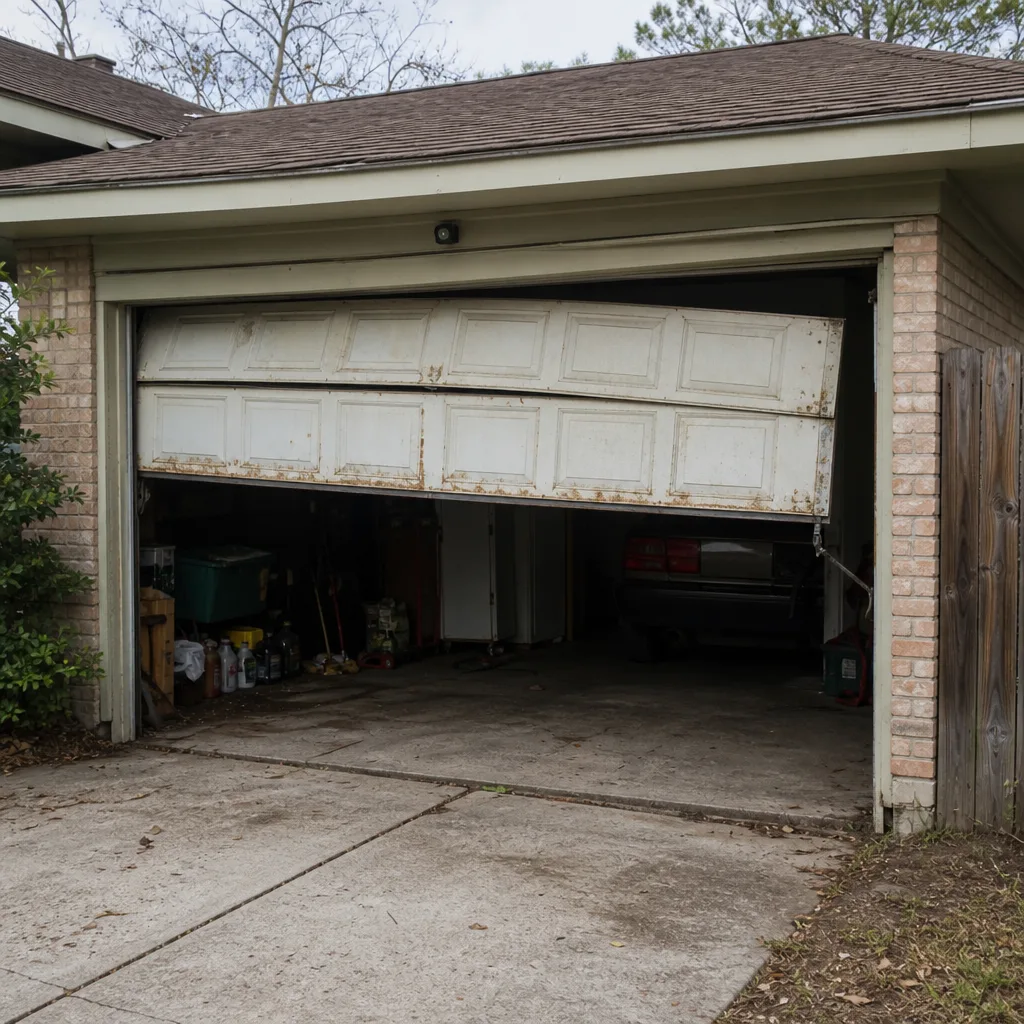 Before
 After
 Before
 After
 Before
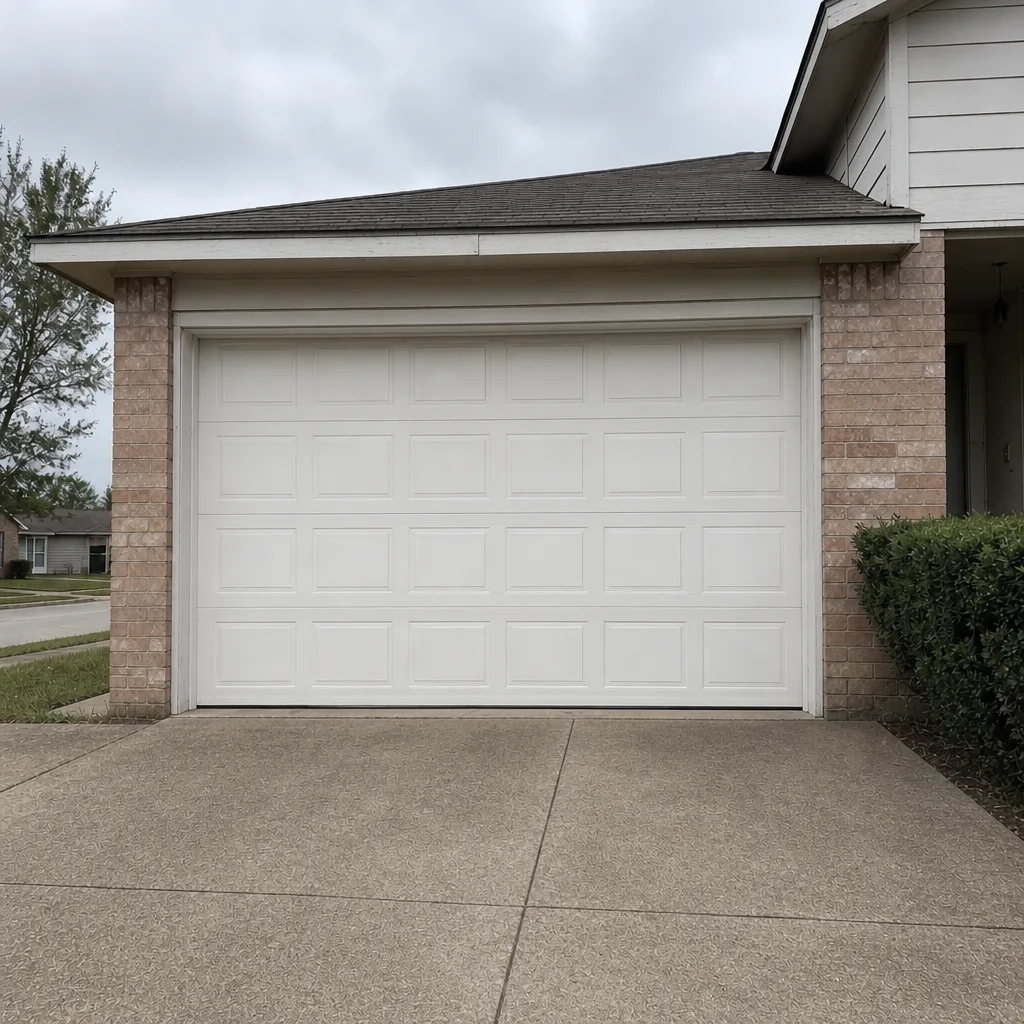 After
When to Call a Professional
Some tasks are homeowner work: visual inspections, weatherstripping replacement, checking the safety-reverse feature. Others are not. Call us when you see a gap in a torsion spring coil, a slack or frayed cable, a door that won’t close fully, or a drum that’s slipped. Call when the opener runs but the door doesn’t move, when the door comes off its tracks, or when the safety sensors won’t clear. Call when you have water intrusion along the bottom that you can’t trace, or a door that’s heavy to lift by hand. Atascocita Garage Door Repair Pros offers free estimates in Atascocita, and we can handle the whole system in one visit. Call (844) 493-5692 and we’ll book a time that works for you.
Frequently Asked Questions
Twice a year works best here: once in late spring before the May storms and once in early fall before the September storms, plus a spring-and-cable inspection after each cold snap. That covers the UV exposure, the storm hardware checks, and the cold contraction that cause most failures here. If you have an older door or an opener that’s already working hard, a third check after the hottest month is worth it. Call (844) 493-5692 to book a free estimate.
No. Below 35°F, the metal has contracted and the springs are under more strain than usual, so forcing the door can snap a cable or pull it off its tracks. Try the opener first, and if it strains, stop and call. A technician can look at it before it becomes a bigger repair. Call (844) 493-5692 and we’ll get it checked.
Worn weatherstripping and floor seals, mostly. UV exposure dries them out and the heat makes them brittle, and once they crack, water and heat get in and the door starts rattling. The second most common is an opener that’s struggling because the door is out of balance, not because the motor is bad. Call (844) 493-5692 for a free estimate.
The basics are the same, but a smart opener gives you a head start. LiftMaster and Chamberlain myQ units, and Genie Aladdin Connect, will report motor overloads and safety sensor faults, which means you find out about a problem before the door fails completely. Watch the app for alerts during heat waves and cold snaps. Call (844) 493-5692 if the app reports an error.
Look for a visible gap in the coil, a stretched or flattened section, or rust pitting. A door that’s suddenly heavy to lift or that slams down are also signs. Never try to adjust a spring yourself, because the stored tension makes it genuinely dangerous. Call (844) 493-5692 for a free estimate and an inspection.
First, check the track hardware and cable drum set screws for anything loose. Then check for water along the floor seal and bottom panel, especially on a flat lot. Look for any panel that’s dented, cracked, or misaligned. If the door closes fully and runs smoothly, you’re likely fine. If it catches or grinds, call (844) 493-5692 for a service visit.
The Bottom Line
Atascocita’s garage door problems are tied to its weather, not to a calendar. Summer is for weatherstripping and opener checks. The May and September storm windows are for hardware. Cold snaps are when springs break, so don’t force the door below 35°F. Heavy rain is when flat lots get water intrusion along the floor seal. Time your spring-and-cable inspections to the temperature swings, and you’ll catch the failures before they happen.
One call covers it, whether that’s a spring repair, an opener fix, or a full new-door installation. Emergency or scheduled, we show up ready. Call Atascocita Garage Door Repair Pros at (844) 493-5692 for a free estimate and upfront pricing before any work starts.
Written by the team at Atascocita Garage Door Repair Pros.