Last updated November 21, 2026
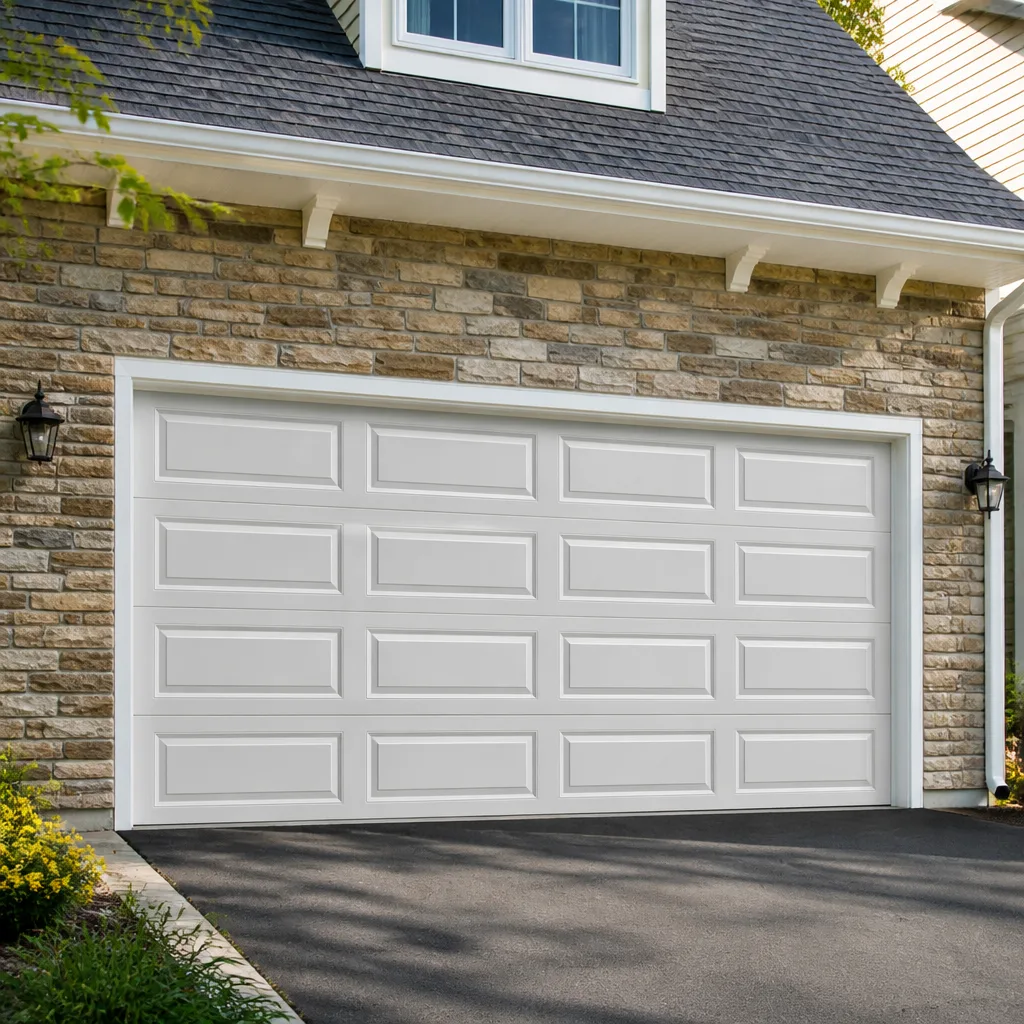 Raised-panel steel
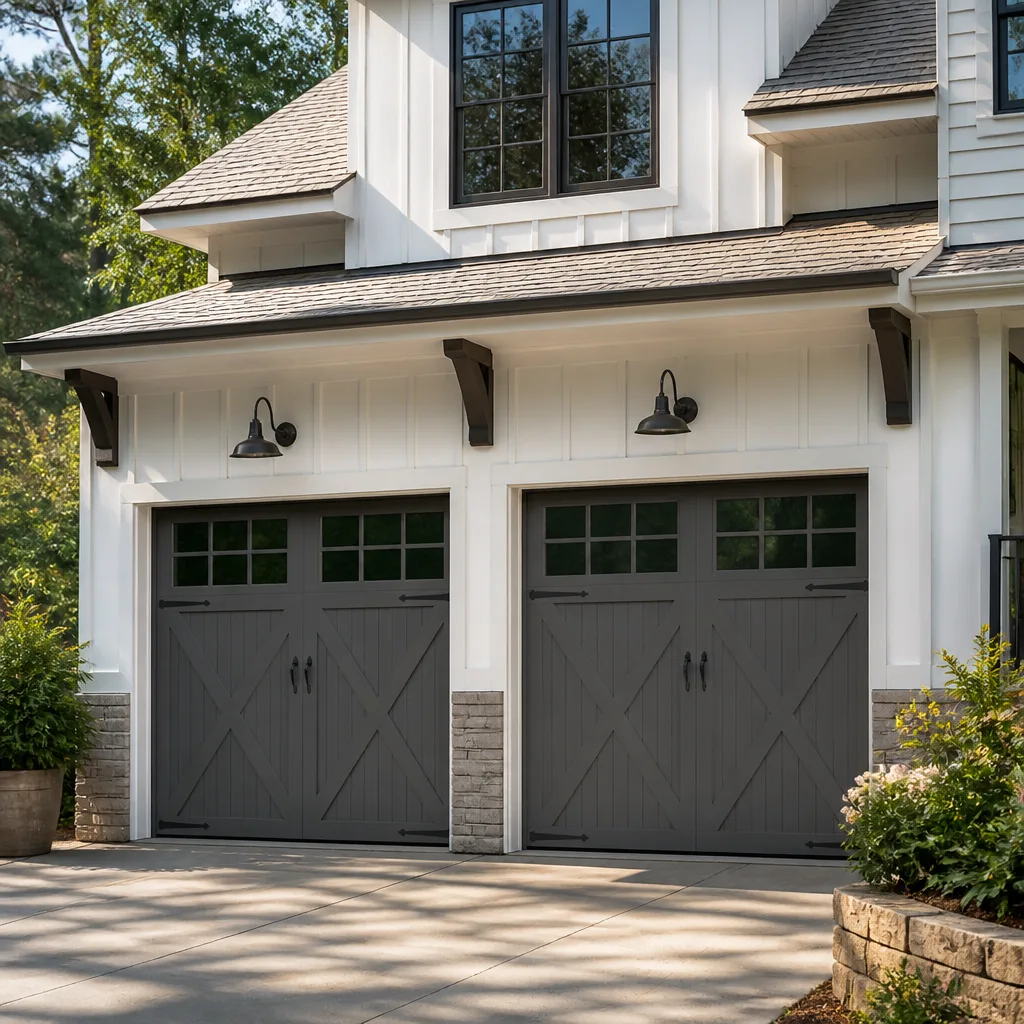 Carriage house
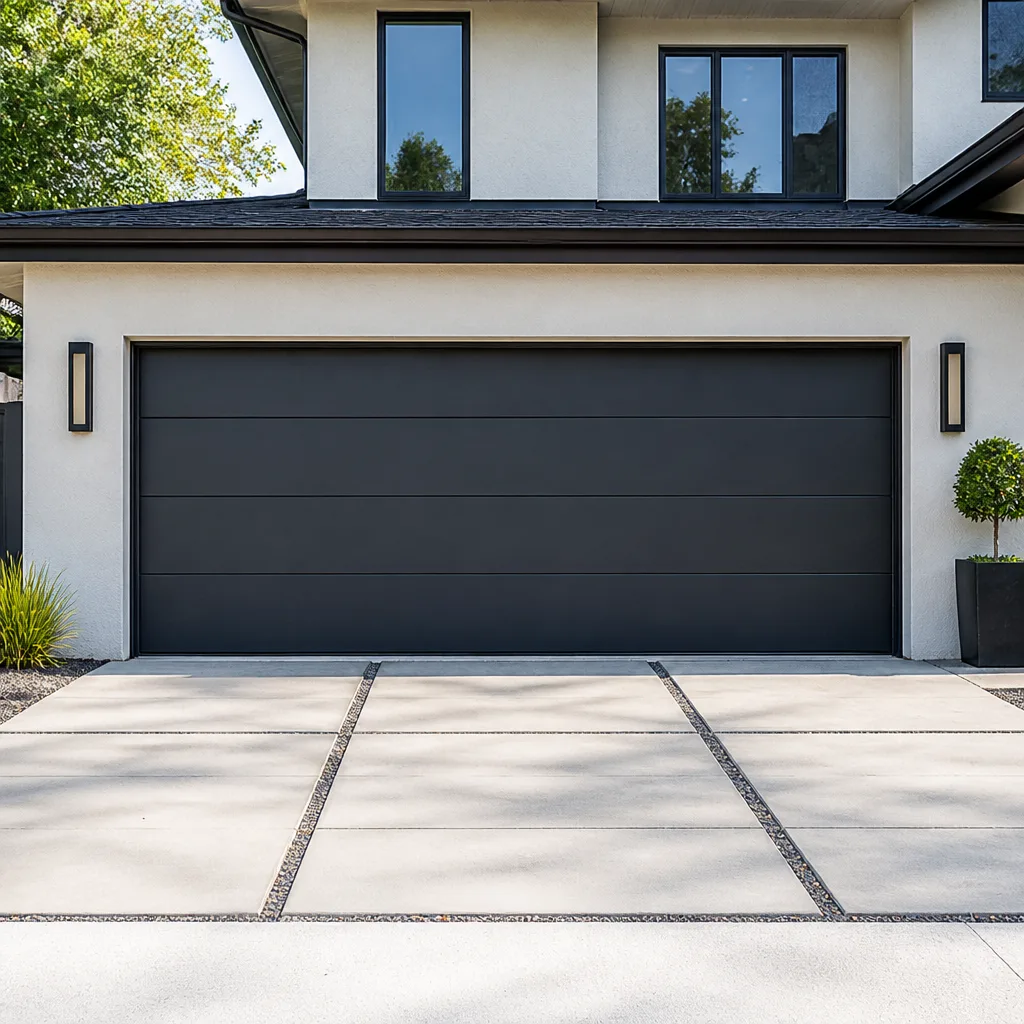 Modern flush
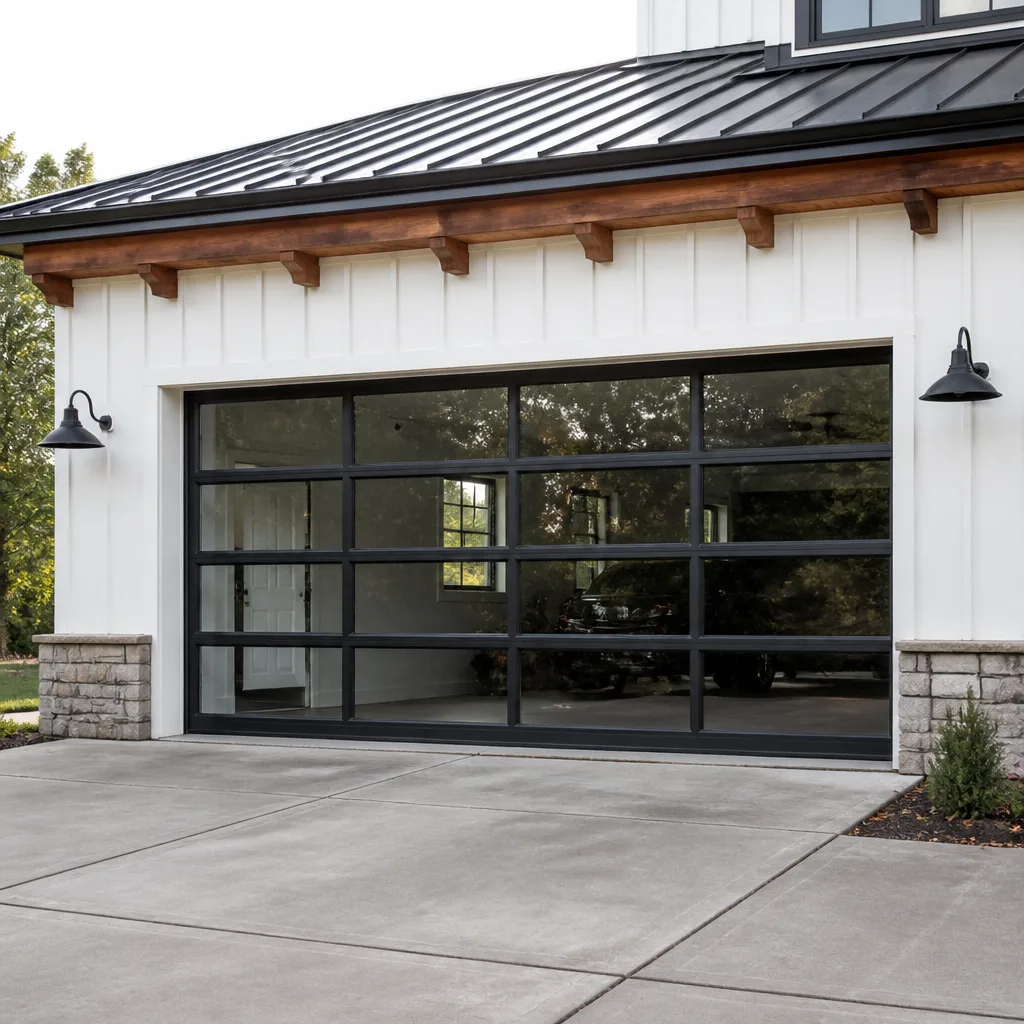 Full-view glass
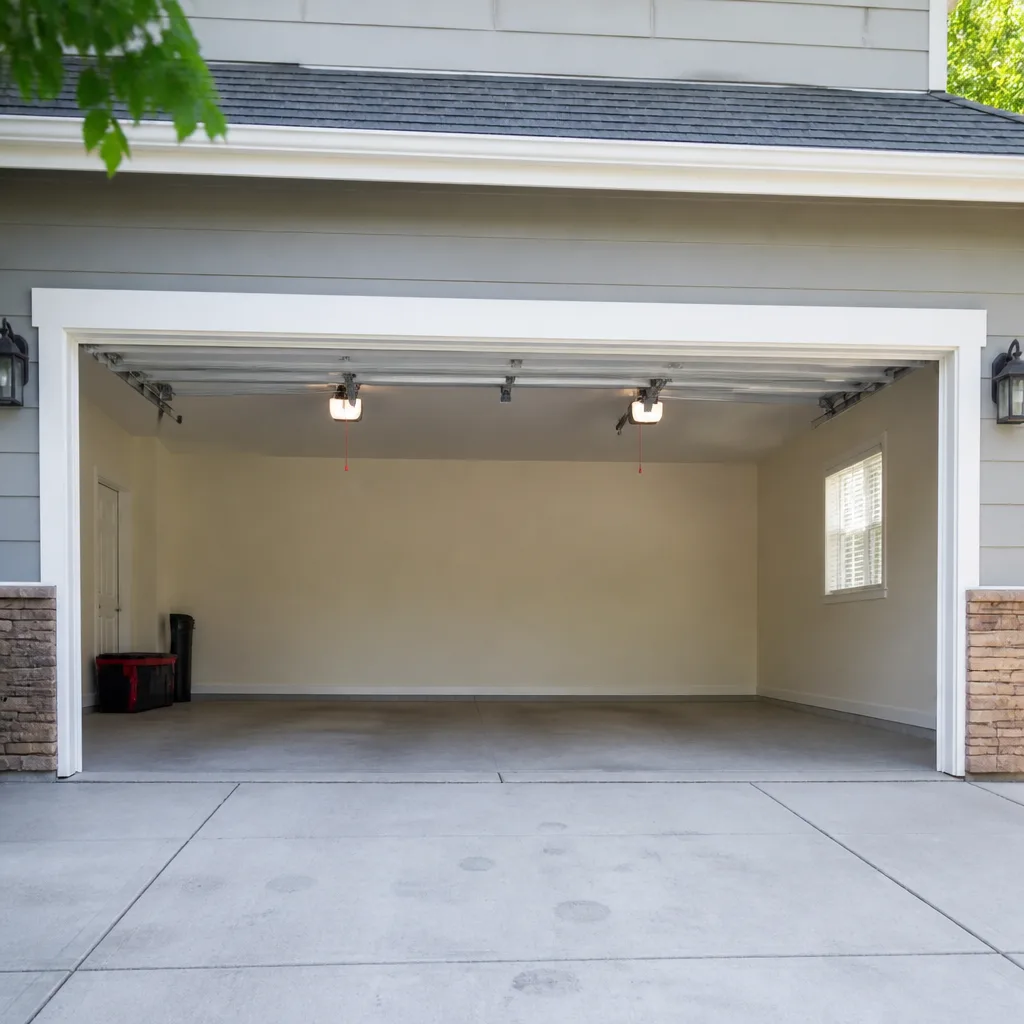 LiftMaster openers
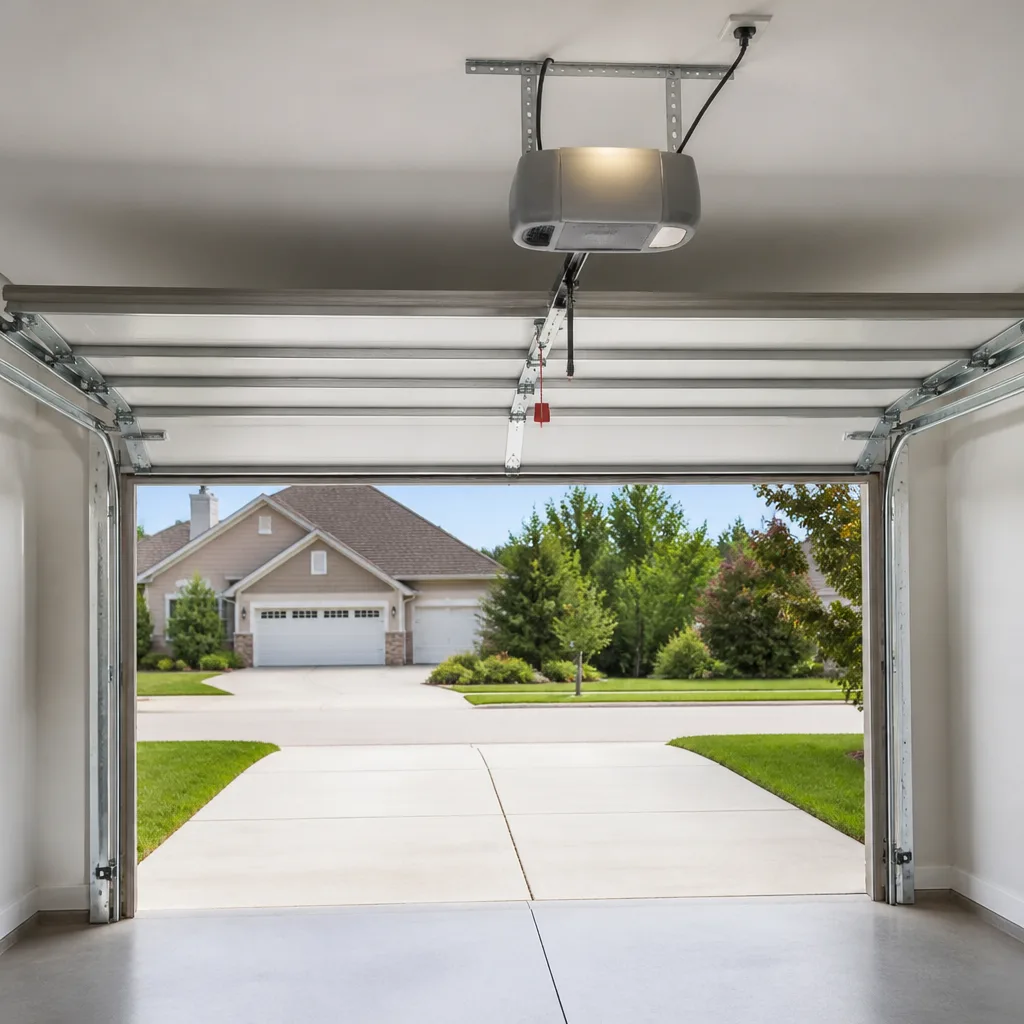 Chamberlain openers
Full 25-point door and opener safety check with every visit - springs, cables, rollers, tracks, and your LiftMaster or Chamberlain opener included
You get a price before we start. It does not change when the pro arrives.
Get your free estimateHow to Hire a Garage Door Contractor in Atascocita: A Step-by-Step Guide
Most homeowners in Atascocita hire a garage door contractor the same way they pick a restaurant: scan the star rating, check the price, make the call. That process feels responsible, but it quietly filters out the two things that actually predict whether your door gets fixed right. A contractor with a 4.8-star rating who quotes you a single “repair fee” without separating parts from labor is a red flag, not reassurance. Ratings measure how pleasant the visit felt, not whether the technician understood your torsion system or will still answer the phone when the door jams three weeks later. This guide walks through the exact questions to ask, the line items to demand, and the red flags that separate a garage door specialist from a handyman who “does doors” in Atascocita.
Quick Answer
To hire a garage door contractor in Atascocita, verify three things before anyone touches your door: that they can explain the difference between torsion and extension springs on your specific setup, that they carry both general liability and workers’ comp insurance and can prove it, and that their estimate itemizes parts and labor separately. Skip those checks and you’re gambling on a callback that never comes. Everything else – the rating, the truck, the friendly phone manner – tells you far less than those three.
Styles & brands we work with
- Raised-panel steel
- Carriage house
- Modern flush
- Full-view glass
- LiftMaster openers
- Chamberlain openers
Table of Contents
- Why Star Ratings and Price Quotes Miss the Point
- The Three Technical Questions That Reveal a Real Specialist
- How to Verify Insurance and Workers’ Comp in Under Two Minutes
- How to Read a Garage Door Estimate Line by Line
- Full-Service Garage Door Company vs. Handyman: Why It Matters
- What a Legitimate Emergency Call Should Include
- Brand Knowledge: Why It Shortens the Repair
- The Complete Pre-Hire Checklist
Why Star Ratings and Price Quotes Miss the Point
A five-star review tells you the last customer felt good about the transaction. It doesn’t tell you whether the spring that was replaced was matched to the door weight, whether the cables were inspected while the door was open, or whether the technician knew that a Genie opener needs different troubleshooting than a LiftMaster. Garage doors are one of the few home systems where an unqualified fix can look fine for a month and then fail dangerously. The spring, in particular, stores enough force to cause serious injury when it lets go – and it doesn’t care about a review average.
Price has the same problem from the other direction. A quote that lands well below everyone else’s usually means something was left out, not that you found a deal. Maybe it’s a single-spring replacement when the door clearly calls for a matched pair. Maybe the labor is baked into an inflated parts markup so the number looks tidy. Maybe the technician isn’t insured, which saves the contractor money and leaves you exposed if someone gets hurt on your property in Atascocita.
What actually predicts a good outcome is narrower and less glamorous:
- Documented experience with springs and cables – the two components that cause the most failures and the most injuries
- Transparent quoting – parts and labor broken out, so you can see what you’re paying for
- Insurance and warranty you can verify – not just claimed on a business card
Everything in this guide builds toward checking those three things. It’s a short list, and it’s the list that holds up. For a deeper look at what repair work actually involves, our garage door repair page covers the common failure points on residential doors.
The Three Technical Questions That Reveal a Real Specialist
You don’t need to know how a garage door works to find out if the person in your driveway does. Three questions, asked before any work begins, sort the specialists from the generalists almost every time. A qualified technician answers them without hesitation and can point to your actual door while explaining.
- “Does my door use torsion or extension springs, and why does that matter here?” Torsion springs sit above the door on a metal shaft and handle the door’s full weight through cables and drums. Extension springs run along the upper tracks on either side, one per side, and stretch as the door closes. A real contractor looks at your setup before answering, then explains the maintenance and failure differences. A handyman who “does both” tends to answer in generalities and skip the inspection.
- “How do you match a replacement spring to my door?” Springs are rated by wire size, inside diameter, and length, and that rating has to match the door’s weight. A technician who talks about weighing the door, matching cycle life, or replacing springs in matched pairs understands the job. One who says “we just use the same spring” is guessing, and a mismatched spring will fail early or strain the opener.
- “What do you inspect besides the spring?” A proper spring replacement includes checking cables, drums, hinges, rollers, and the bottom bracket. If the answer is only “the spring,” you’re getting a partial repair. Cables and springs work together, and replacing one without inspecting the other is how doors come back off the tracks.
The pattern is simple: specialists describe what they see on your door. Generalists describe what they do in general. When the answer is specific about your setup, you’re talking to someone who’s done this before. Spring work is genuinely hazardous, which is why we treat it as a trained-technician job rather than a homeowner project – the tension in a wound torsion spring is enormous and releases without warning.
How to Verify Insurance and Workers’ Comp in Under Two Minutes
Any contractor working on your property should carry two separate policies: general liability, which protects your home and your neighbor’s property if something gets damaged, and workers’ comp, which covers the technician if they’re injured on your property. In Texas, workers’ comp is not mandatory for most employers, which means a contractor who skips it is common – and it leaves you exposed if someone is hurt while repairing your door.
Verification takes less time than a phone call to a restaurant. Here’s the sequence:
- Ask for a certificate of insurance. It should name the business, list both general liability and workers’ comp, and show current effective dates. A certificate is standard, and any professional company provides one without drama.
- Call the number on the certificate. That number goes to the insurance agency, not the contractor. Ask whether the policy is active and whether it covers residential garage door work at your address.
- Check the name. The certificate should match the company that’s actually doing the work. If the name on the certificate is a different business entirely, ask why.
Skip the verification and the risk lands on you. If an uninsured technician falls from a ladder in your Atascocita driveway, your homeowner’s policy can end up involved. Two minutes on the phone with an insurance agency avoids that. It also tells you something about how the contractor runs the business – someone who carries both policies is thinking past the next job.
One more note: insurance and licensing language is worth reading carefully on any quote. A contractor can be insured and still not be the right fit for spring work. Ask both questions separately.
How to Read a Garage Door Estimate Line by Line
A garage door estimate should read like a short receipt, not a single number. When a contractor hands you a quote that says only “repair – $425,” you can’t tell whether you’re paying for a spring, a cable, a service call, or someone’s lunch. The good ones break out parts and labor, name the parts, and list the number of springs being replaced.
Here’s what a spring repair estimate in the Atascocita area typically looks like when it’s itemized, using two columns so you can see where the money goes:
| Line | What it means | Typical estimated range |
|---|---|---|
| Service call | Travel to your home and initial diagnosis | $70 – $120 |
| Torsion spring (one) | Single spring, matched to door weight | $180 – $340 installed |
| Matched spring pair | Both springs replaced together, usually recommended | About twice the single-spring figure |
| Cable set (if needed) | Both cables replaced when wear is present | Quoted separately, varies by door |
| Opener repair labor | Diagnostic and fix on Genie, Clopay, Amarr, Wayne Dalton and other systems | Quoted on inspection |
Read the estimate twice. First pass, look for line items – if there’s only one, ask for a breakdown. Second pass, look at the parts markup. A fair markup is modest and roughly consistent between parts; a padded one tends to live in a single line that seems out of proportion. If a spring costs the same as a new opener in the estimate, ask why. Legitimate pricing changes when the job does – an overpriced part on a standard repair is the tell.
The final price on any written estimate should match the invoice after the work, assuming nothing unexpected turns up mid-job. If the technician finds a cable that wasn’t visible during the initial inspection, the price can change – but only with your agreement before they continue. That’s the rule to hold them to. For more on opener diagnostics specifically, our garage door opener repair page covers what a fair opener estimate looks like.
Full-Service Garage Door Company vs. Handyman: Why It Matters
A handyman can bolt on a hinge and reattach a loose bracket. What a handyman often can’t do is diagnose why a door is binding on one side, source a spring rated for your door’s exact weight, or stand behind the work beyond a handshake. The difference shows up in three places: warranty, callbacks, and how the job is scoped.
Warranty. A full-service garage door company typically warrants its labor for a stated period and passes along the manufacturer’s warranty on parts. A handyman usually offers neither in writing – which means if the spring fails in six weeks, the conversation starts over. Ask for the warranty in writing before anyone starts, and read what’s excluded.
Callbacks. When something goes wrong after a repair, a specialist answers the phone and returns to look at it. That’s the whole point of hiring a company rather than an individual – the relationship outlasts any one job. Ask what happens if the door doesn’t operate correctly after the visit; the answer tells you a lot about how the business operates.
Scoping. A specialist scopes the whole system. Spring replacement comes with a cable inspection, a roller check, and a balance test on the door. A handyman fixes the one thing you called about and moves on. That’s the difference between a door that works for years and a door that works until the next component fails.
For homeowners planning a new door or a major opener upgrade, the full-service angle matters even more. Ordering, measuring, and installing a new door is a different process than repair – it’s scheduled, measured, and measured again, and the price is set in a written estimate before any work begins. We work with full-service garage door companies in Atascocita that handle repair, opener work, spring replacement, and full installation under one roof, so you aren’t coordinating three vendors. One call covers it.
What a Legitimate Emergency Call Should Include
A garage door that won’t close at 9 p.m. is a real problem – the house is open, and nobody wants to leave it that way overnight. Genuine emergency service exists and is worth paying for. What you want to avoid is an emergency upcharge bundled with “urgent” repairs that weren’t urgent until the technician arrived.
A legitimate emergency call should include:
- A clear diagnosis before work begins. The technician should tell you what’s wrong, what the options are, and what each option costs – before touching the door.
- A quote you agree to in writing. Even at night, the price should be quoted and agreed before any work starts. The invoice after the job should match.
- Only the parts the job needs. If you called about a door off its tracks, you shouldn’t leave the call with a new opener, a new spring, and a new set of rollers unless each was explained and approved.
- A safety check. After the fix, the door should be cycled to confirm the safety reverse works and the door balances correctly.
The upsell tactic to watch for is the “while we’re here” pitch on an emergency call – the technician arrives, fixes the actual problem, and then suggests three more repairs at urgent pricing. Sometimes additional work is genuinely needed. The test is whether it’s explained, quoted, and left to your decision. If the answer is “we can’t leave until you agree,” that’s not a repair quote – that’s pressure.
For a spring that’s snapped after hours, the safety instructions matter too: don’t operate the door, don’t try the manual release on a door with a broken spring, and keep kids and pets clear. A trained technician handles the tension safely. For the specifics of spring failure and safe response, our garage door spring repair page covers what to expect.
Brand Knowledge: Why It Shortens the Repair
Garage door and opener systems aren’t interchangeable, and the brand on your opener tells a technician a lot before they open the housing. LiftMaster and Chamberlain share a platform and the myQ smart-home ecosystem, which makes them fast to diagnose for anyone familiar with the line. A Genie opener with Aladdin Connect behaves differently on Wi-Fi setup and troubleshooting. Door manufacturers have their own quirks too – Clopay panel profiles, Amarr and Wayne Dalton section designs, and the way older Craftsman and Raynor systems wear all call for slightly different parts and approaches.
This is where brand familiarity saves time and money. A technician who knows the product line goes straight to the likely failure point instead of testing everything in sequence. That shortens the service call and cuts the guesswork out of the parts order. It also matters for installation: a contractor familiar with Clopay and Amarr products understands the manufacturer’s own installation requirements, which is where warranty claims live.
When you’re vetting a contractor in Atascocita, ask which brands they work on regularly. A specialist names a short, concrete list and can tell you what’s different about each. A generalist says “we work on all of them,” which is a polite way of saying nothing. We work with technicians who are factory-familiar with LiftMaster, Chamberlain, Genie, Clopay, Amarr, Wayne Dalton, Craftsman, and Raynor systems – the eight names that cover most of what’s on residential doors here.
The Complete Pre-Hire Checklist
Pull this list up before you make the call. It’s the condensed version of everything above, and it takes about five minutes to work through on the phone.
- Can you tell me whether my door has torsion or extension springs, and how do you tell? A specialist asks questions or inspects before answering.
- Do you replace springs in matched pairs, and how do you match a spring to my door? Listen for wire size, door weight, and cycle life.
- Can you send a certificate of insurance covering general liability and workers’ comp? Then verify it with the agency.
- Will the estimate itemize parts and labor? If not, ask for a breakdown before agreeing.
- What’s your labor warranty, and what does it exclude? Get it in writing.
- Which brands do you work on most? Expect a specific list, not “all of them.”
- Are you available for emergency calls, and how is the price set after hours? Confirm the quote-before-work rule.
- What happens if the door fails again after the repair? The answer should be a clear callback process.
Any contractor who balks at one or two of these isn’t necessarily a bad actor – but a contractor who balks at all of them is telling you something. The right answers are easy to give for someone who does the work every day.
Common Mistakes to Avoid
- Hiring on rating alone. A 4.8-star average tells you customers were satisfied, not that the technician understood torsion systems. Ratings and technical competence are two different signals, and only one of them predicts whether your door will still work next spring.
- Accepting a single-number quote. One line item for “repair” hides whether you’re paying for a proper spring job or a temporary fix. Ask for parts and labor separately before you agree to anything.
- Skipping insurance verification. Texas doesn’t require most employers to carry workers’ comp, so an uninsured technician is more common than you’d think. Two minutes on the phone with an insurance agency protects your home and your policy.
- Letting a handyman touch the springs. Springs store enormous tension and release without warning. This is not a repair to delegate to a generalist who’s “done a few doors” – the injury risk and the failure risk both go up.
- Paying for a pair but getting one spring. Matched pairs usually get replaced together because a new spring next to an old one will fail early. Confirm on the invoice what was actually installed.
- Agreeing to “urgent” add-ons on an emergency call. The repair you called about is the repair you need. Additional work should be explained, quoted, and your call – not bundled into the same visit as a pressure tactic.
- Overlooking the brand. A technician familiar with your Genie or Clopay system finds the problem faster than a generalist running through every possibility. Ask which brands they handle before you book.
See the difference
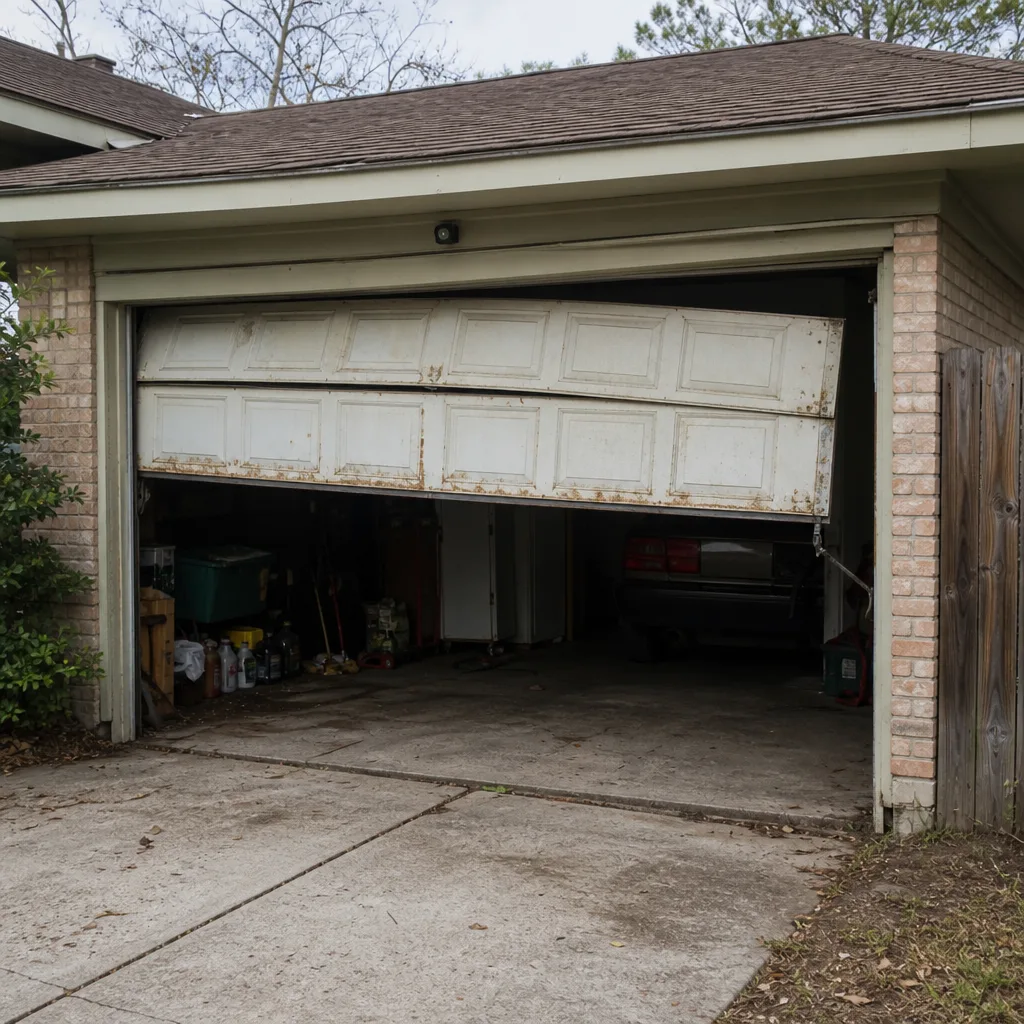 Before
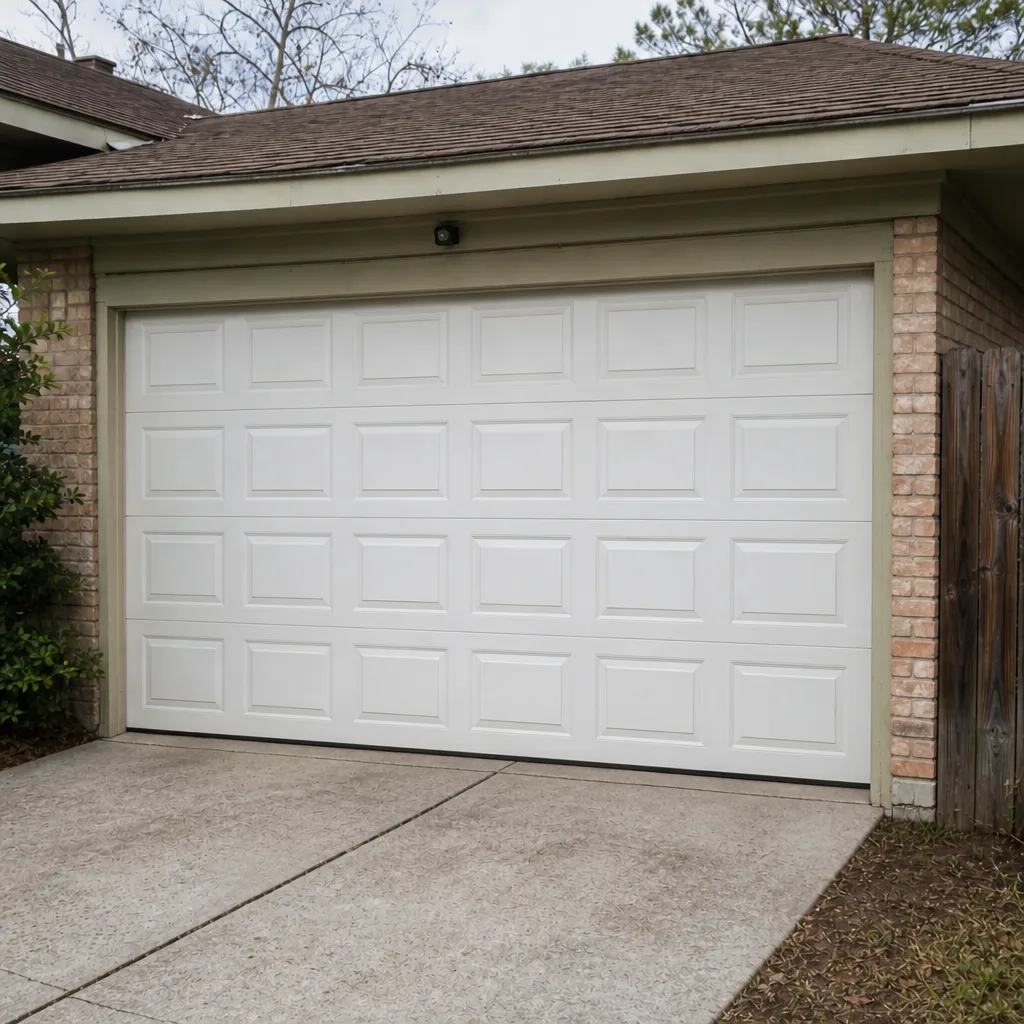 After
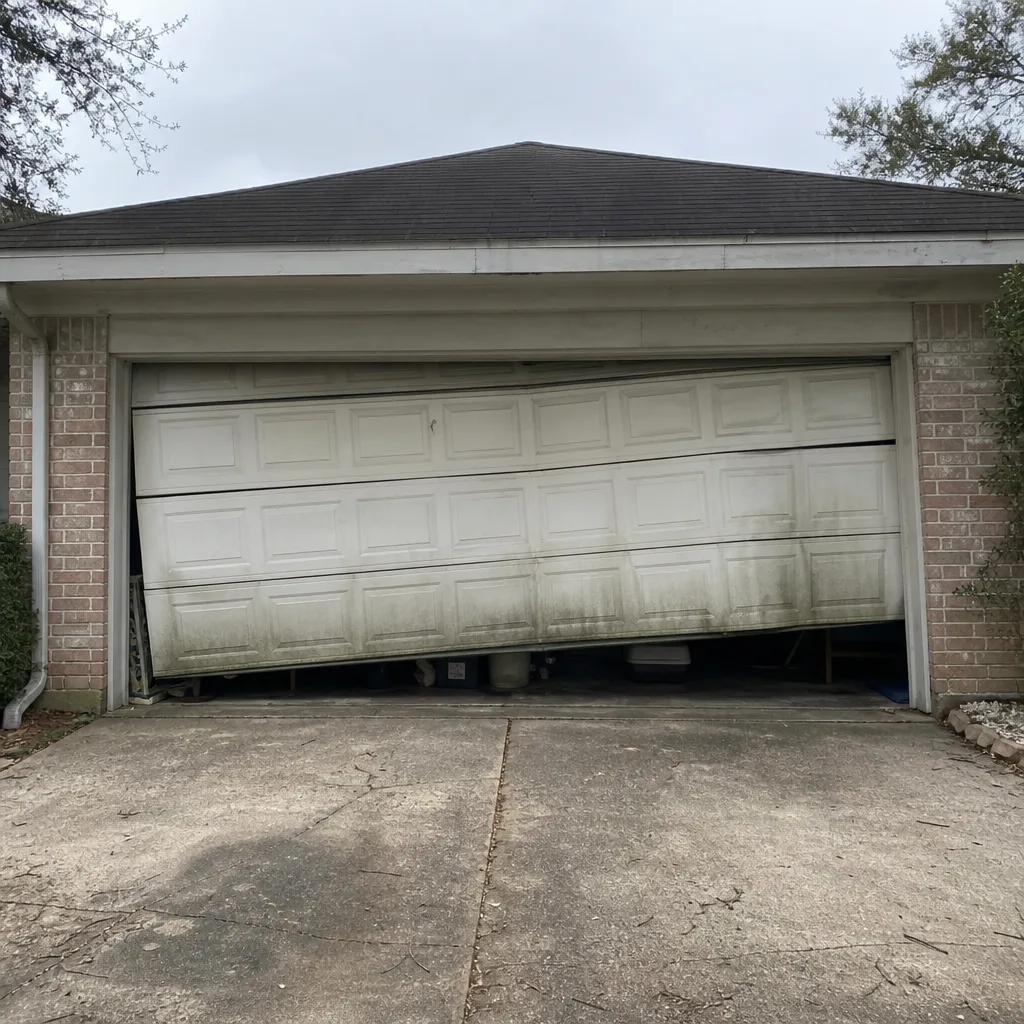 Before
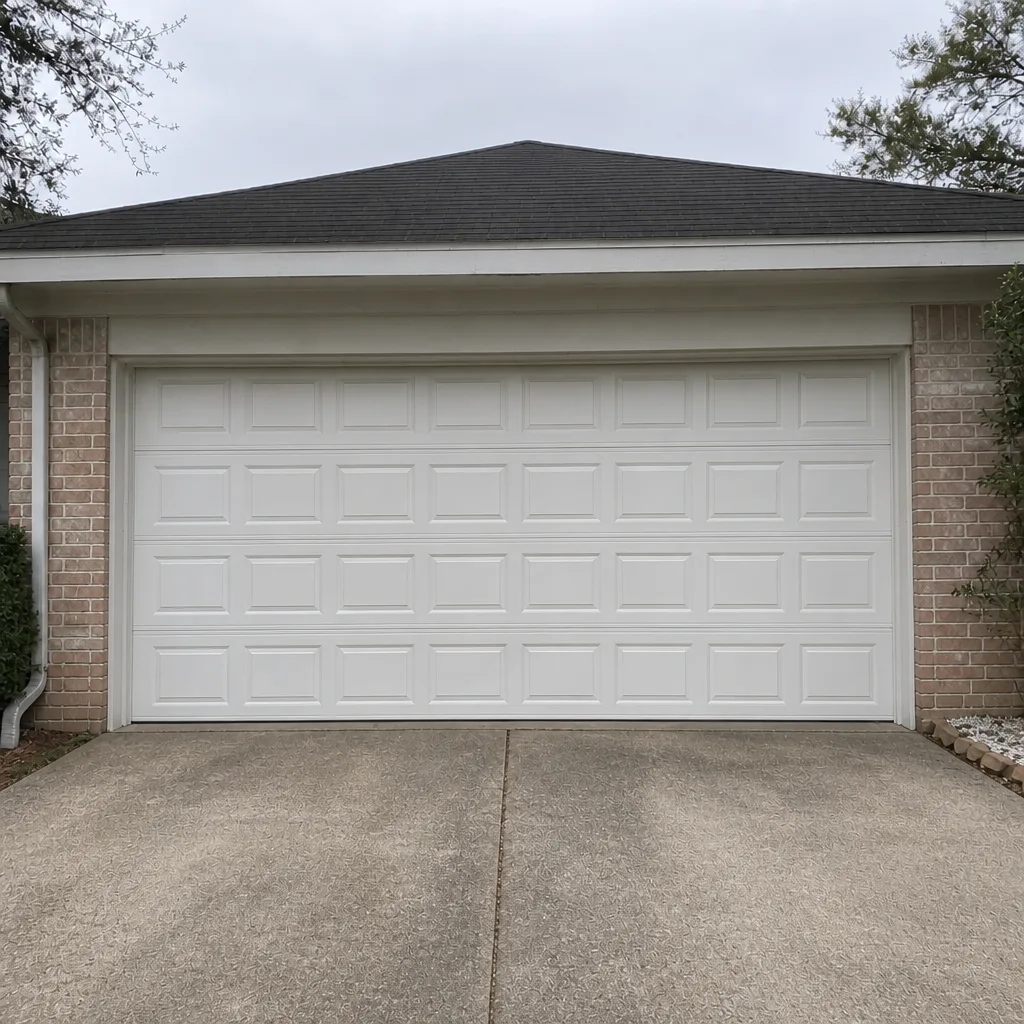 After
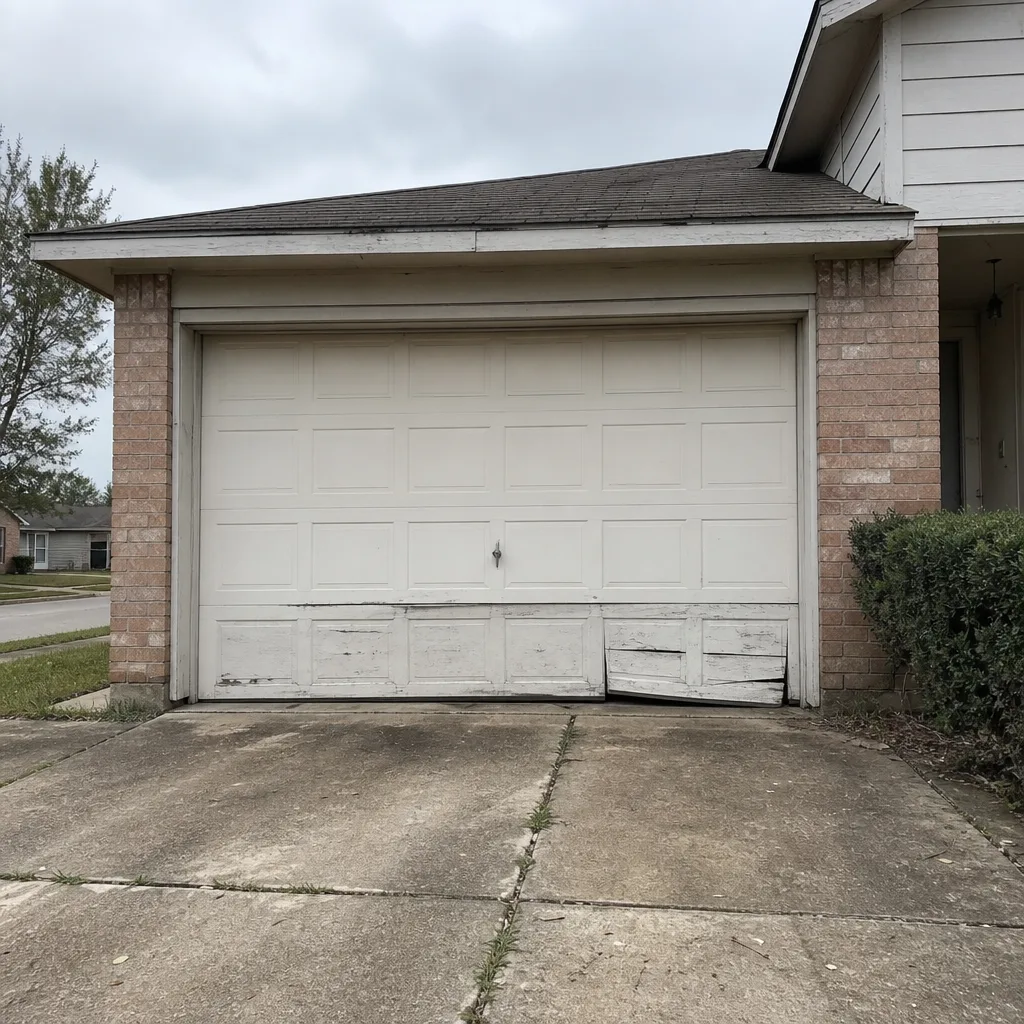 Before
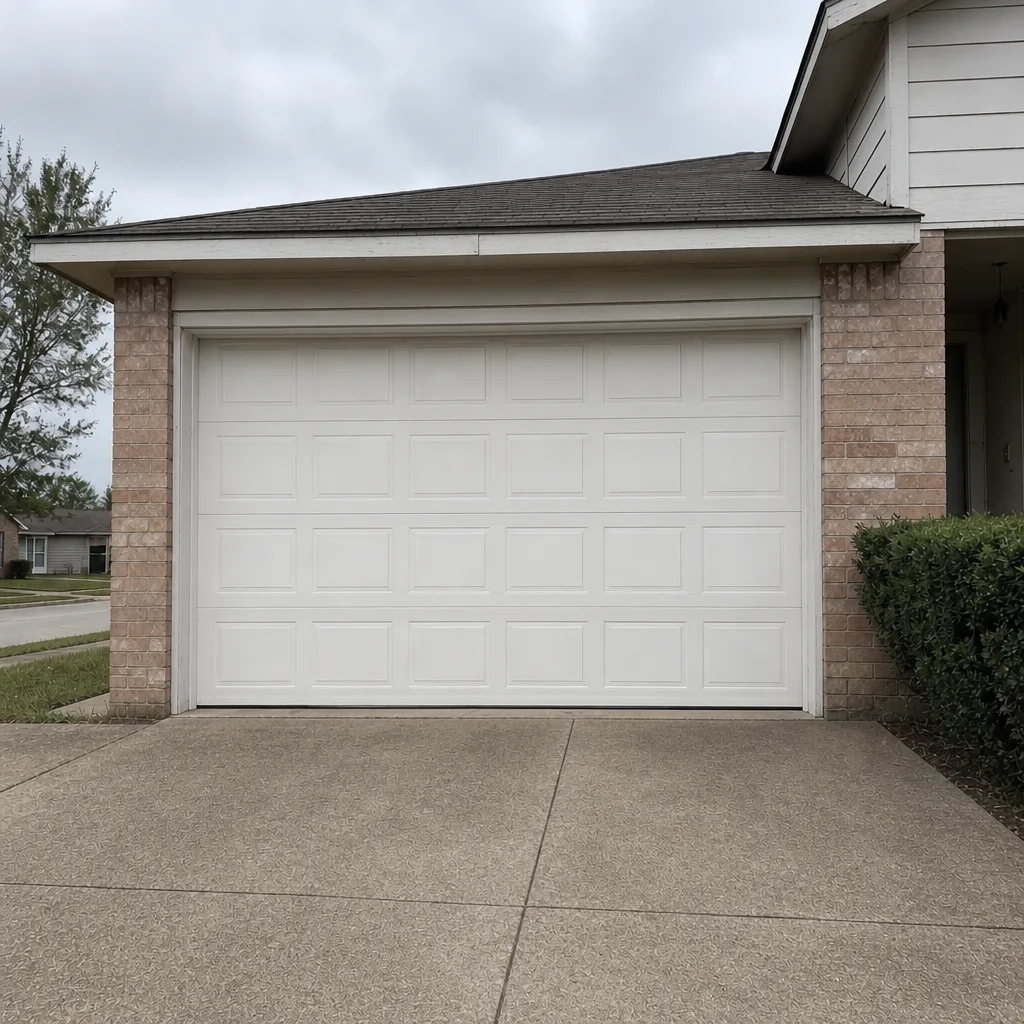 After
When to Call a Professional
Some garage door problems are safe to watch and some aren’t. Call a professional immediately when a spring snaps – you’ll hear a loud bang and the door won’t lift. Call when a cable is frayed, when the door is crooked on its tracks, when the opener runs but the door doesn’t move, or when the door reverses before it reaches the floor. Call when the door slams closed instead of lowering smoothly, which usually means a spring or cable issue rather than the opener.
Also call when you’re planning a new door or a smart opener upgrade – measurement and ordering take time, and the written estimate should come before anything is purchased. For a door that’s off its tracks, don’t force it open or closed; the risk of the door coming down is real. Atascocita Garage Door Repair Pros offers free estimates in Atascocita – call (844) 493-5692.
Frequently Asked Questions
Spring repair in Atascocita typically runs $180 – $340 installed for a single spring, with a matched pair usually costing about twice that because both springs are replaced together. The estimate should itemize the spring, the service call, and any cable work separately, and the price is quoted and agreed before the technician starts. Call (844) 493-5692 for an exact quote – estimates are free.
Emergency garage door service is a named offering, not a marketing line, so a broken spring or a door off its tracks can usually be handled the same day you call. Fast dispatch runs from 7am to 7pm, and the technician diagnoses before quoting so you know the price before any work begins. Call (844) 493-5692 and we’ll book the earliest available visit.
The written estimate is the price. It only changes if the technician finds something that wasn’t visible during the initial inspection, like a frayed cable behind the track, and any change is explained and agreed with you before work continues. No surprise line items after the job is done. Call (844) 493-5692 for a free estimate.
The local professionals we connect you with are licensed and insured as Texas requires, and they carry general liability and workers’ comp – ask for the certificate of insurance and verify it with the agency named on it before work starts. That two-minute check protects your home. Call (844) 493-5692 to schedule a free estimate.
Torsion springs mount above the door on a metal shaft and carry the door’s weight through cables and drums; extension springs run along the upper tracks on each side and stretch as the door closes. Torsion systems are more common on newer doors and generally give more controlled operation. Ask any contractor to identify which type is on your door – the answer tells you whether they know the system or are guessing.
Yes, but matched pairs are usually replaced together because a new spring paired with a worn one tends to fail early, which means paying for a second service call. The estimate should show the single-spring price and the pair price so you can see the difference. Call (844) 493-5692 and we’ll walk through your options before you decide.
The Bottom Line
Hiring a garage door contractor in Atascocita comes down to three checks: whether they can explain your spring system specifically, whether their insurance is real and verifiable, and whether their estimate separates parts from labor. Skip those and you’re relying on a star rating that doesn’t measure technical work. Hold the contractor to all three and you’ll end up with the right person on your door. Atascocita Garage Door Repair Pros connects homeowners with experienced local professionals – our technicians have up to 9 years of experience – for repair, opener work, spring repair, installation, and emergency calls. One call covers it. Call (844) 493-5692 for a free estimate, or start at Atascocita Garage Door Repair Pros.
Written by the team at Atascocita Garage Door Repair Pros.